 EN
EN
 DE
DE
Finding the right people across borders
International search with a particular focus on Europe and Asia.
I work with companies looking for senior leaders and key specialists internationally, with particular depth across Europe and Asia and more than 30 years of first-hand experience in Southeast Asia.
As a Managing Partner at ISG, I combine my background as a founder and CEO with ISG’s international search capabilities and global network.
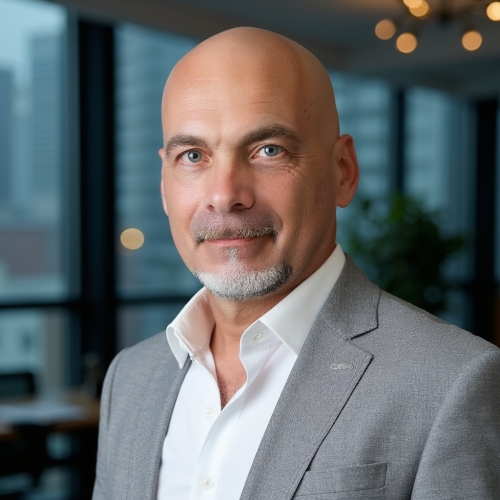
Executive Search & International Recruitment
Finding the right person becomes more demanding when the role is critical, the candidate market is limited, or the search crosses borders.
I work with companies on senior leadership and key specialist appointments, combining direct search, international reach and a practical understanding of the business behind the position.
Executive Search
For senior leadership and critical positions where the right appointment requires targeted identification, direct approach, careful assessment and discretion.
International Recruitment
For management and specialist positions that require access to talent beyond the client’s immediate market. Through ISG’s international network, searches can be managed across countries while maintaining one point of contact.
Cross-Border Search
Particular depth across Europe and Asia, supported by extensive first-hand business experience in Southeast Asia. Where assignments extend into other markets, I can draw on ISG’s wider international network and local expertise.
A Search Partner Who Has Sat on the Other Side of the Table
First-hand leadership experience brought into every search.

Before partnering with ISG, I built and led businesses across Europe, Australia, East- and Southeast-Asia, from entrepreneurial ventures to organizations with more than 2,000 employees.
As a founder and CEO, I was responsible for building management teams, hiring senior leaders and specialists, and making appointments that had a direct impact on business performance.
That experience shapes how I approach search today.
I look beyond whether a candidate matches the formal requirements of a role. I want to understand the business situation, what the person will actually need to accomplish, the environment they will enter, and what kind of individual is likely to succeed there.
For clients, that means working with someone who understands senior hiring not only from the search side, but also from the perspective of the person ultimately accountable for the decision.
The Power of a Global Network
Where extensive multinational operating experience meets deep international HR expertise.

ISG is one of Europe’s leading recruitment consultancies, with more than 800 professionals across 60+ offices in over 50 countries. From its strong European base, the organization now extends across the Americas, the Middle East, Africa and Asia, bringing together local market knowledge and specialists across a broad range of industries and functions.
Combining my extensive experience of building and leading businesses, together with my long-standing knowledge of Asia, with this international network gives clients access to both an operator’s perspective and the deep market, sector and functional expertise of ISG professionals around the world.
What this means for clients
Business context, not just a role profile
A search can be viewed in the context of the company, its organization, its leadership environment and what the appointment actually needs to accomplish.The right expertise around each mandate
Depending on the assignment, relevant ISG specialists can contribute local market knowledge, sector expertise, functional understanding and access to established candidate networks.International reach with local depth
Cross-border assignments can draw on expertise in the markets involved rather than relying on a single centralized view of countries, candidates and business cultures.Better-informed appointment decisions
Combining operating judgment with search expertise, market intelligence and specialist knowledge provides a broader basis for assessing both the role and the people being considered.
Looking for a senior leader or key specialist?
If you have an important position to fill – locally or internationally – I would be glad to understand what you are looking for and whether I or the wider ISG network can support the search.
For international and cross-border assignments, I bring particular depth across Europe and Asia, backed by more than 30 years of first-hand experience in Southeast Asia.